
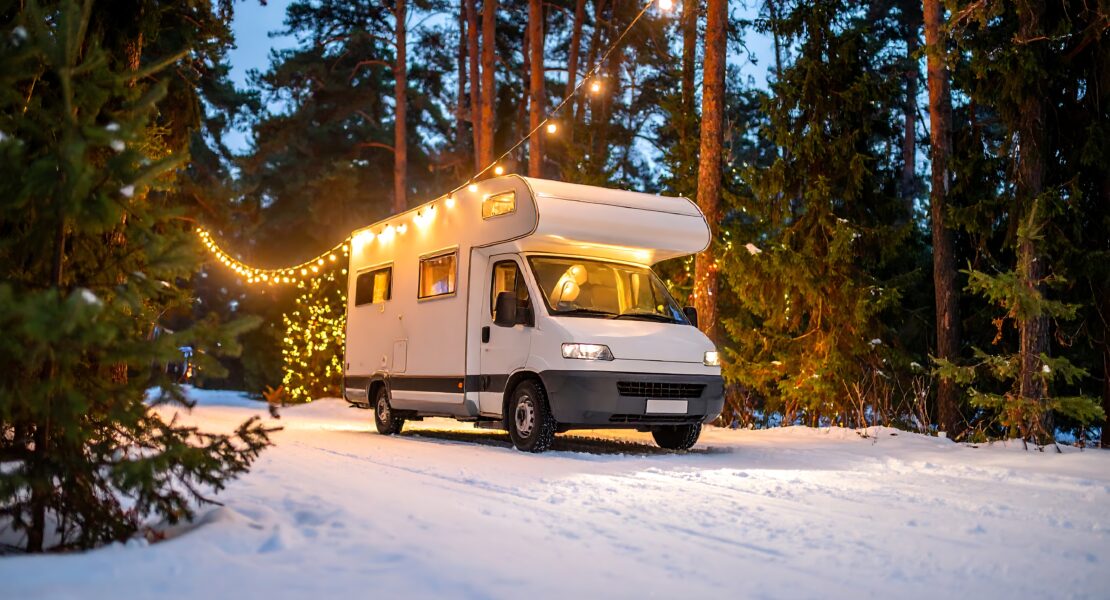
how to keep your motorhome warm

How to Keep Your Motorhome Warm in Snowy Conditions

Contents

  1. Choose the Right Heating System and Use It Properly
  2. Insulate Wherever You Can
  3. Protect Your Water System from Freezing
  4. Manage Ventilation and Condensation
  5. Use the Right Winter Accessories
  6. Monitor Gas, Diesel and Battery Levels Closely
  7. Park Smart in Snowy Conditions

How to Keep Your Motorhome Warm

Touring in winter can be hugely rewarding, but snowy conditions demand proper preparation. Cold temperatures test both your motorhome and your habits, and without the right setup you can quickly find yourself uncomfortable, or worse, dealing with frozen systems. The good news is that modern motorhomes are perfectly capable of winter use if you take the right steps.

This guide explains how to keep your motorhome warm, efficient and safe when travelling or staying in snowy conditions.

Choose the Right Heating System and Use It Properly

Most motorhomes are fitted with either blown-air heating systems (such as Truma or Alde) or diesel heating. In snowy conditions, these systems should be run consistently rather than intermittently. Letting the interior temperature drop too low makes it harder to warm the vehicle again and increases the risk of frozen pipes.

If you are on an electric hook-up, use it to supplement your heating where possible, but do not rely solely on electric heaters unless you are certain the supply is stable. Gas or diesel heating should remain your primary source of warmth.

Before winter travel, ensure your heating system has been serviced and tested. A poorly maintained heater will struggle in cold weather.

Insulate Wherever You Can

Even well-built motorhomes lose heat through windows, doors and vents. Simple insulation measures make a significant difference.

  • Use external thermal screens for the cab windscreen and side windows. These are far more effective than internal blinds.
  • Insulated door covers help reduce draughts from habitation doors.
  • Lay thermal mats or carpets over cold floors, particularly above uninsulated storage lockers.
  • Close off unused areas of the motorhome to retain heat in the main living space.

Small improvements add up and reduce how hard your heating system has to work.

Protect Your Water System from Freezing

Frozen water systems are one of the biggest risks in snowy conditions. Prevention is essential.

If your motorhome has an internal freshwater tank, you are already at an advantage. External tanks and exposed pipework need extra attention. Use tank insulation jackets and pipe lagging where possible.

Keep the heating on low overnight to prevent freezing, even if you are not actively using the motorhome. Many systems are damaged when temperatures drop suddenly at night.

In extreme cold, consider draining the system and using bottled water instead, especially if you are parked for long periods.

Manage Ventilation and Condensation

It may seem counterintuitive, but ventilation is critical in winter. Cooking, breathing and drying clothes all create moisture, which condenses on cold surfaces and makes the interior feel colder.

Use roof vents on their winter setting and open them slightly when cooking. Wipe down windows and walls each morning to remove condensation. A dry motorhome is far easier to heat than a damp one.

Avoid drying wet clothes indoors where possible or use a dehumidifier if you have sufficient power.

Use the Right Winter Accessories

A few key accessories make winter touring far more comfortable:

  • Thermal sleeping bags or winter-rated bedding reduce reliance on overnight heating.
  • Insulated covers for skylights and roof vents minimise heat loss.
  • Snow socks or winter tyres improve safety and confidence if you are travelling in snowy areas.
  • A reliable outdoor thermometer helps you monitor overnight temperatures and react early.

These items are relatively inexpensive compared to the cost of repairs caused by cold damage.

Monitor Gas, Diesel and Battery Levels Closely

Cold weather increases energy consumption. Gas bottles empty faster, diesel heaters run longer, and batteries lose efficiency in low temperatures.

Carry more gas than you think you need and check levels daily. If you rely on leisure batteries, ensure they are fully charged and in good condition. Solar panels are far less effective in winter, so do not depend on them.

If possible, park with access to electric hook-up during prolonged cold spells.

Park Smart in Snowy Conditions

Where you park makes a difference. Sheltered locations reduce exposure to wind chill, which can dramatically increase heat loss. Avoid low-lying areas where cold air settles overnight.

Clear snow from roof vents, flues and solar panels to maintain airflow and efficiency. Never allow snow to block heater exhausts, as this can be dangerous.

Motorhomes are more capable in winter than many people realise. Keeping warm in snowy conditions is less about extreme measures and more about consistency, insulation and preparation. Maintain your heating system, protect your water supply, manage moisture and keep a close eye on energy usage.

With the right approach, winter motorhoming can be comfortable, safe and genuinely enjoyable, even when the landscape outside is covered in snow.