Top Tips For First Time Motorhome Buyers

Top Tips For First-Time Motorhome Buyers

Contents

  1. Define Your Travel Needs
  2. Set a Realistic Budget
  3. Understand The Different Types of Motorhomes
  4. Layout Matters
  5. Manual v Automatic, and Licences

Buying your first motorhome is an exciting decision – but can actually also be quite daunting. There are so many different makes and models to choose from, all of which include a choice of different layouts and features. Then there’s your personal budget, UK driving licence rules and practical considerations to factor in to your thinking. So where do you even begin?

That’s where rove! comes in. We’ve helped thousands of buyers make a confident leap into the leisure vehicle life, and so we’ve got plenty of experience to draw on for first-timers. In this edition of our blog we’ve distilled our best advice into some easy-to-follow tips, to help you find a motorhome that’s right for you…
Define Your Travel Needs

Before diving into things like specifications and price tags, you should take a moment to think about why you want a motorhome. The answer will shape much of your decision-making. There are a series of things to think about which will help.

  • Do I want to take short weekend breaks in the UK, or longer journeys abroad?
  • Will I be travelling travel solo, in a couple or with children and pets?
  • Am I looking for something compact and easy to drive, or more spacious and luxurious?
  • Do I want to stay on campsites, or go fully off-grid?

Knowing how you would mostly use your motorhome will help you to narrow your options down and hone in on the right vehicle. For example, a couple taking short trips may prefer a nimble campervan, while a family touring Europe for weeks on end might prefer a coachbuilt model which features bunk beds and additional storage.

Set a Realistic Budget

It’s very important to look beyond the initial cost of the motorhome. Ownership comes with a few ongoing costs, and being aware of them early on will prevent unwelcome surprises down the road. There are several things to consider.

  • Insurance: The cost of this can vary widely depending on vehicle size, age, mileage and your driving history.
  • Fuel: Larger motorhomes can be less economical, especially on long journeys.
  • Maintenance and servicing: Your motorhome will require annual habitation checks, MOTs (if it’s over 3 years old) and general upkeep.
  • Campsites: Budget for pitch fees if you’re staying at sites or holiday parks.
  • Accessories: You might find that you want extras for your motorhome, such as awnings, bike racks, solar panels or a satellite system.

At rove! we offer flexible finance options and part-exchange deals so that you can make your motorhome purchase much more manageable. Just chat to our team if you’d like to explore what’s available for your budget.

Understand The Different Types of Motorhomes

Motorhomes come in several different formats. Browse the new and used motorhome listings at rove! to see examples of each and get a feel for which might suit you best.

  • Campervans: Compact vehicles which handle like large cars, often based on vans like the VW Transporter. Campervans are great for short journeys and day to day urban driving as well as for longer trips, but living space is limited.
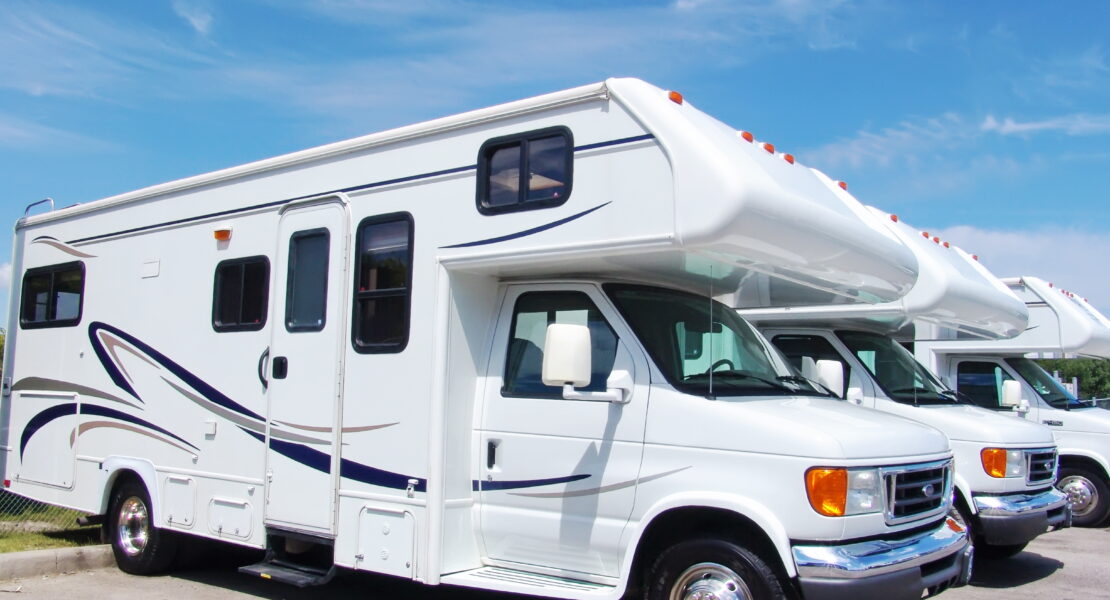
  • Coachbuilt: These are built on a van chassis with a custom living area attached. Low-profile versions have a sleeker look and tend to be more aerodynamic. Overcab models feature a tucked-away sleeping area above the driver’s cab.
  • A-class: Fully integrated, often with a panoramic front window. A-class motorhomes are truly premium vehicles which include high levels of comfort and features, but they can be pricier and wider to drive.

Layout Matters

The layout of a motorhome can actually make or break your experience, so it’s important to get one that will work for you. It’s not just about size, it’s about how you live in the space. The expert team at rove! can walk you through different layouts in person, helping you visualise how each setup would work for your lifestyle.

  • Sleeping: Do you want a fixed bed that’s always ready, or are you happy to make one up each night?
  • Bathroom: Some motorhomes have full washrooms with separate showers, others make do with compact wet rooms.
  • Storage: Essential if you’re taking along bulky kit like bikes, BBQs or hiking gear.
  • Kitchen: Consider how often you’ll cook inside the motorhome. Is a hob and fridge going to be enough, or will you need an oven and extra space for food prep?

Manual v Automatic, and Licences

  • Transmission: Manual gearboxes are still very common in UK motorhomes, but automatics are increasing in popularity, especially for those who find them easier on longer drives or in urban areas.


  • Licences: There are certain rules around driving licences and motorhomes. If you passed your driving test before 1st January 1997, it’s likely that you have a C1 licence, allowing you to drive vehicles up to 7.5 tonnes. If you passed after that date, you’re restricted to motorhomes up to 3.5 tonnes (unless you take an additional test). This is an important factor when choosing your model, especially if you’re choosing between a larger A-class model or an overcab coachbuilt.


At rove! Each model in our stock of used motorhomes has been thoroughly inspected and professionally prepared – so you can buy with complete peace of mind. When you visit us you can step inside and explore the layout, and ask detailed questions about features, finance and servicing. You’ll be able to compare models side by side, taking your time to make an informed decision.

Buying your first motorhome is not just a transaction – it’s a journey from an idea to a big decision, as we mentioned right at the start of this blog. There’s no ‘one size fits all’ answer, other than the best motorhome is the one that feels right for you. Contact us at rove! To get the ball rolling on finding the one that feels right!